The 4-H Conundrum: Balancing Tradition and Innovation!
By Nancy Noyes, 4-H Program Assistant
We strive to keep our Douglas County 4-H Program innovative and challenging. We do a balancing act of what has been a traditional baseline for our members and ensuring the programming that interfaces with the state contests and goals, yet we strive for unique and innovative programs tailored to create and nurture the “spark” in our youth audience.
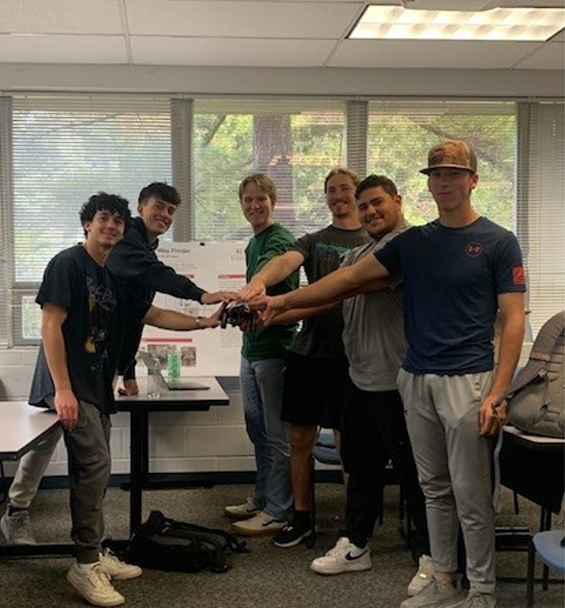
A spark is a passion for a self-identified interest or skill; something that metaphorically lights a fire in young people. It fuels their positive energy and joy and motivates them towards skill-building.
One particular key to identifying the “sparks” within our county membership is the feedback we get from the county club leaders, the parents and the 4-H members. We spend time listening to these groups and observing what they are giving energy to, what is motivating them. As 4-H professionals, supporting our membership, our role is to champion their passions; be it collecting rocks, painting a mural, or training a dog to compete at the KS State Fair.
When we nurture and support youth-led interests, we all benefit. Our county 4-H program grows; youth remain engaged and develop life-skills and competencies, and our community is strengthened through cooperative and productive relationships.
How can we best practice being innovative? Well, the National 4-H Council suggests four strategies that can help:
- Think outside the 4-H box: Look outside of traditional 4-H for ideas and concepts that work in the world of business. New 4H programs thrive on innovation, not more of the same.
- Cultivate a culture of innovation: Do you want to have a dynamic, creative team? Then your culture needs to reward initiative, encourage communication, and provide autonomy. Prioritize open sharing of innovative ideas and listen to volunteers who think differently than you. Diverse perspectives help nurture the spark.
- Blaze your own trail: Commitment to innovation becomes even more critical as your 4H program grows because size encourages tradition. Question every best practice by asking, “What if we did the opposite?” Again, listen to the whole team.
- Reinforce agility: smaller teams collaborate better more effectively than a full spreadsheet of volunteers. When your team is small, use efficiency tools and technology to share openly about what everyone is working on. When you have established a collaborative nature in your 4H program, it is much easier to keep the spirit of innovation.
Our county program is expanding in ways that are exciting by onboarding non-traditional volunteers and offering unique programs through other modes such as in-school clubs, SPIN clubs and school enrichment. The hope is that many of these families who are new to 4-H will become members and become involved in the program in other ways, but if they don’t, we still support their spark for learning and skill-building!